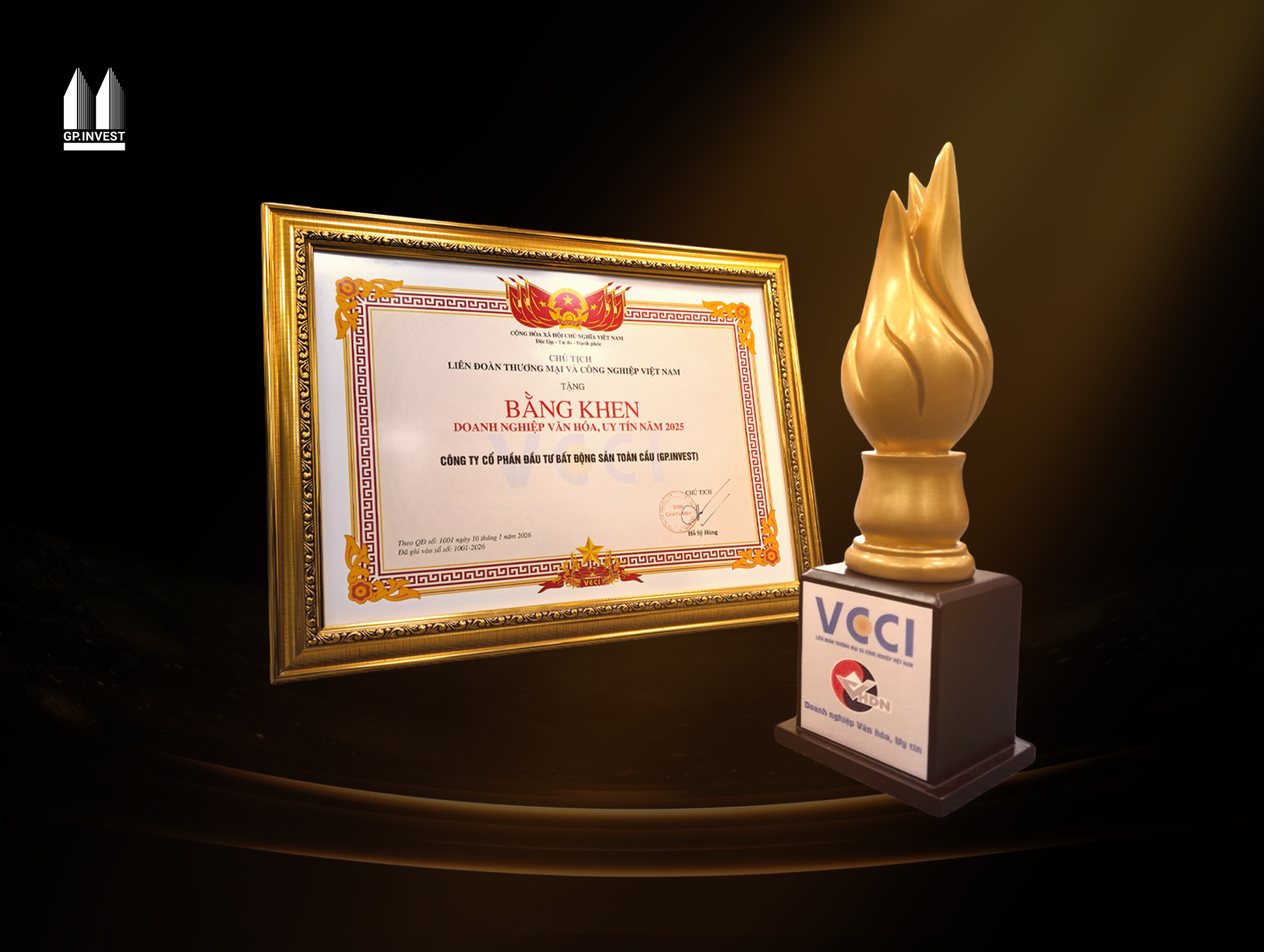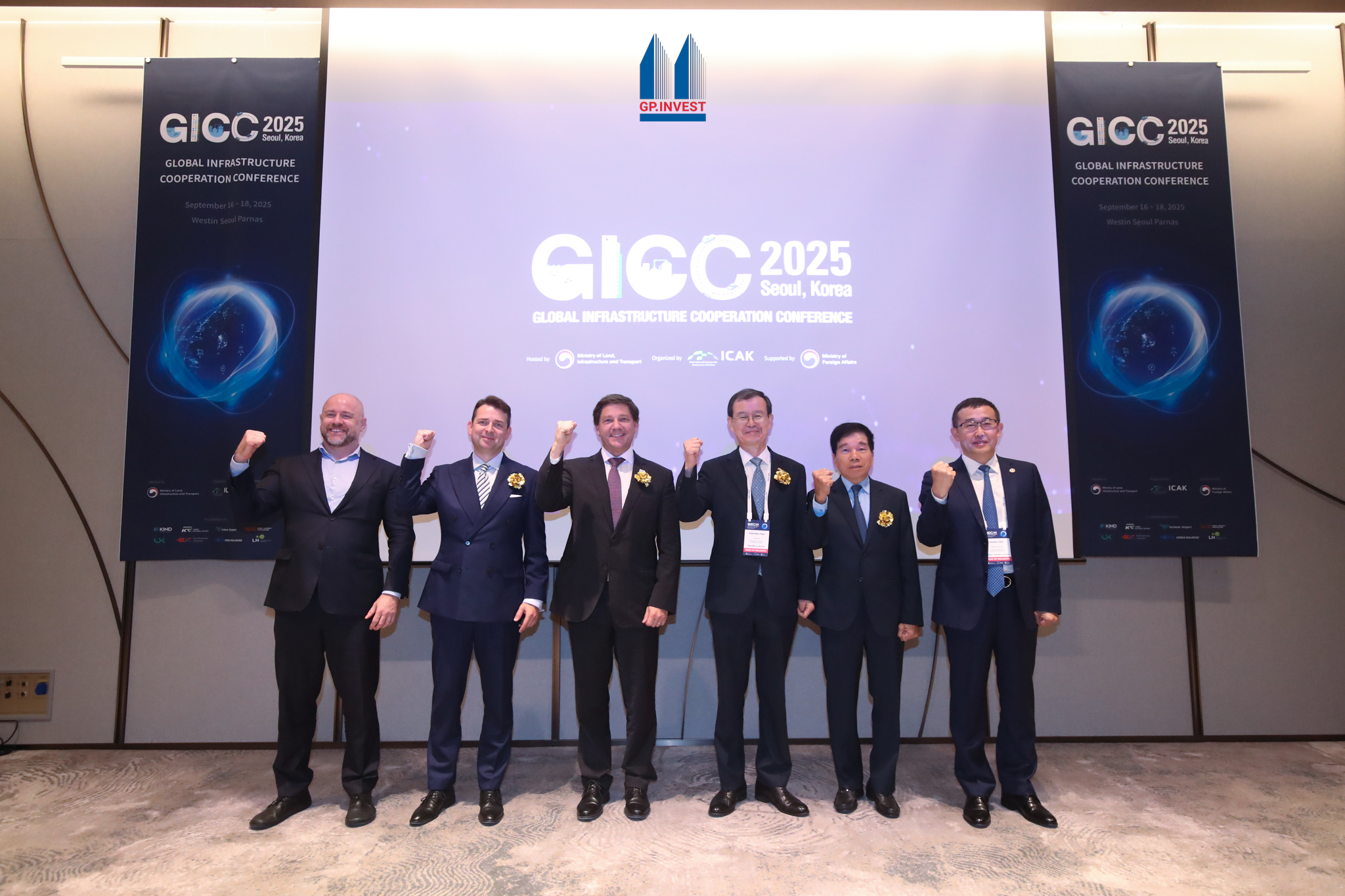
Entering 2026, the Vietnamese real estate market is forecast to enter a phase of fierce competition. Supply is expected to surge, while demand faces pressure from interest rate risks, directly impacting liquidity and buyer accessibility. This insight was shared by Mr. Nguyen Quoc Hiep, Chairman and General Director of GP.Invest, in a recent interview with VietnamFinance.
According to the Chairman, following a period of crisis and rigorous market cleansing, the real estate market is moving into a new growth cycle. However, it is no longer a “mass market game.” Instead, the market will witness a clear divergence: enterprises with robust financial capacity, strong brand reputation, and long-term strategies will continue to expand their market share, while weaker players will gradually be phased out.
2026 Market: High Supply, Intense Competition
Looking back at 2025, Mr. Nguyen Quoc Hiep noted that it was a year of historic changes, ranging from administrative reforms and boundary mergers to sweeping adjustments in land and investment laws. For the real estate sector, 2025 was the strongest year of recovery since the crisis, with impressive growth in total supply—particularly in the social housing and legal-cleared commercial housing segments.
On this foundation, 2026 is forecast to be a year of supply “explosion” as hundreds of projects cleared in 2025 are simultaneously deployed. However, this surge in supply will create immense competitive pressure on developers, potentially leading to a decline in industry-wide profit margins.
Interest Rates – The Greatest Liquidity Risk
One of the factors Mr. Nguyen Quoc Hiep emphasized is interest rate risk. He noted that although housing demand remains high, rising interest rates push real estate production costs upward, reducing buyer accessibility. Simultaneously, the increased burden of bank loan repayments weakens the motivation to purchase homes, directly affecting market liquidity.
Regarding prices, Mr. Nguyen Quoc Hiep believes that real estate prices, especially in major urban areas, are currently high and unlikely to decrease in the short term, as input costs—such as land use fees, construction materials, and labor—continue to rise.
GP.Invest’s Strategy: Expansion Without Risk
In the face of intense competition, GP.Invest has identified multi-project investment expansion as a necessary step to capture the new growth cycle, while remaining steadfast in its principles of cautious investment and strict risk control. In 2026, GP.Invest plans to simultaneously deploy several projects in both the urban and industrial sectors, including large-scale developments in Northern Vietnam.
According to Mr. Nguyen Quoc Hiep, this expansion is built on a foundation of strengthened financial capacity, a safe debt-to-equity ratio, and a workforce matured through many major projects. GP.Invest’s consistent philosophy is not to chase short-term profits, but to create “real value” for customers, ensuring legal compliance, quality, and long-term growth potential for every product.