Sustainable development is becoming an inevitable trend in the global real estate market as standards for the environment, operational efficiency, and quality of life are increasingly prioritized. For GP.Invest, this is not merely a passing trend but a long-term strategy steadfastly pursued on its journey of future urban development.
GP.Invest aims for all of its upcoming projects to target LEED standards—one of the world’s most prestigious certification systems for sustainable building and urban development. This orientation demonstrates a clear shift in GP.Invest’s development mindset while reflecting the enterprise’s long-term vision and execution capacity after nearly two decades of operating in the real estate market.
Read the full article published on Thanh Nien Newspaper here
LEED (Leadership in Energy & Environmental Design) is a green building certification system developed by the U.S. Green Building Council (USGBC) in 1995. It is considered one of the pioneering international standards in sustainable development, setting comprehensive requirements for energy efficiency, resource management, emission reduction, the use of eco-friendly materials, and the enhancement of living space quality.
In Vietnam, the trend of developing buildings and urban areas according to green standards is accelerating rapidly. In 2025, Vietnam recorded approximately 2.6 million m² of LEED-certified floor area across 100 projects, ranking 8th globally among countries and territories outside the U.S. for LEED building development.

For GP.Invest, sustainable development is not approached as a supplementary element but has become a cross-cutting orientation in its long-term development strategy. The enterprise has set a goal that all future projects will be invested in and operated according to LEED guidelines—from master planning and design to construction and operation.
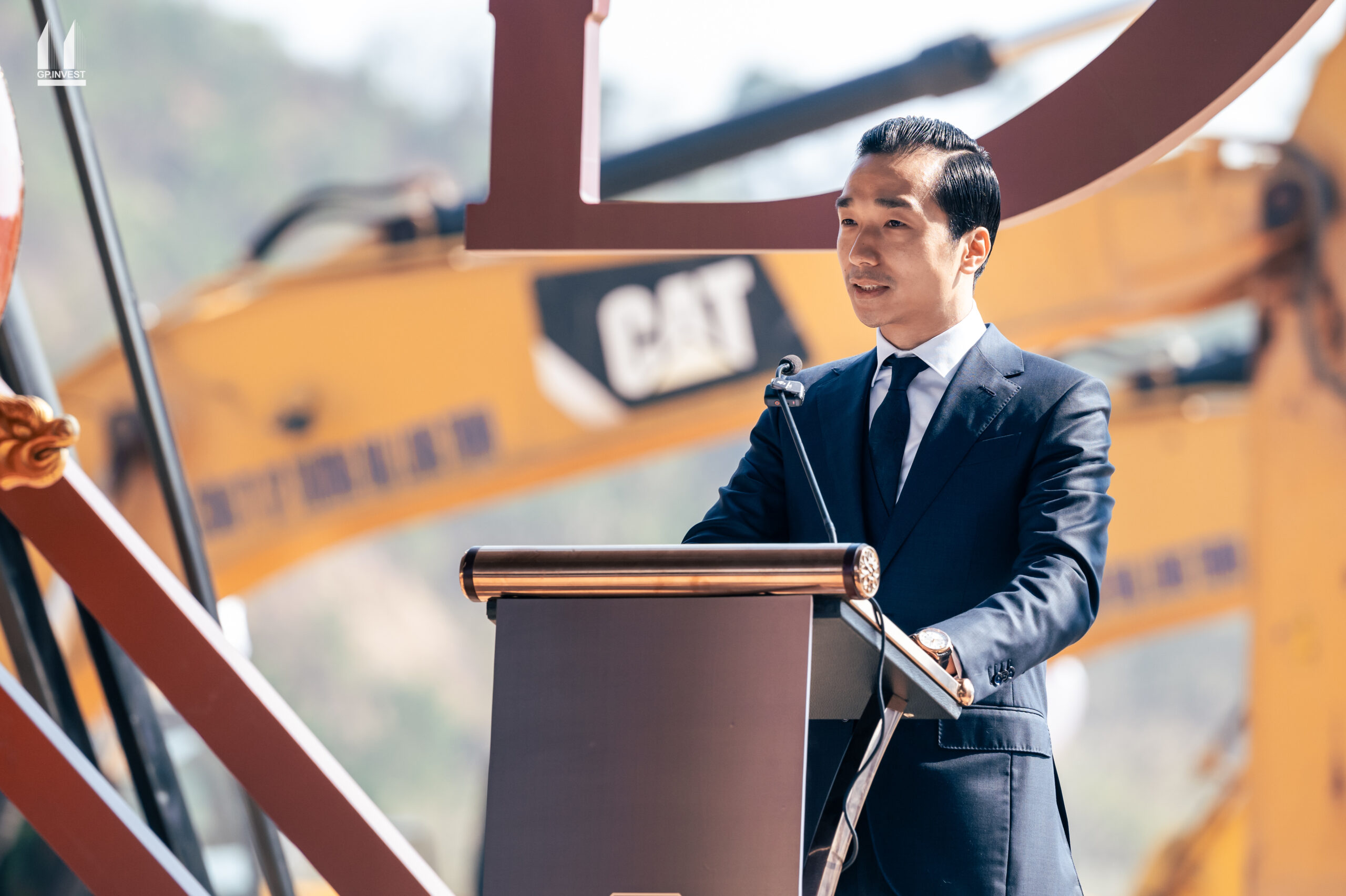
Sharing this vision, Mr. Nguyen Tri Dung emphasized: “Orienting all future projects towards LEED is no longer a story about a single building, but a comprehensive shift in our development mindset; it demands solid financial capacity, a long-term investment strategy, high execution discipline, alongside a highly specialized team and a sufficiently strong network of partners.”
According to him, methodically planned, energy-efficient, and environmentally friendly urban areas typically feature lower operational costs, a higher quality of life, and the ability to sustainably appreciate in value over time. Although pursuing green standards may increase initial investment costs, GP.Invest views this as a necessary investment to generate long-lasting benefits for residents, the enterprise, and society as a whole.
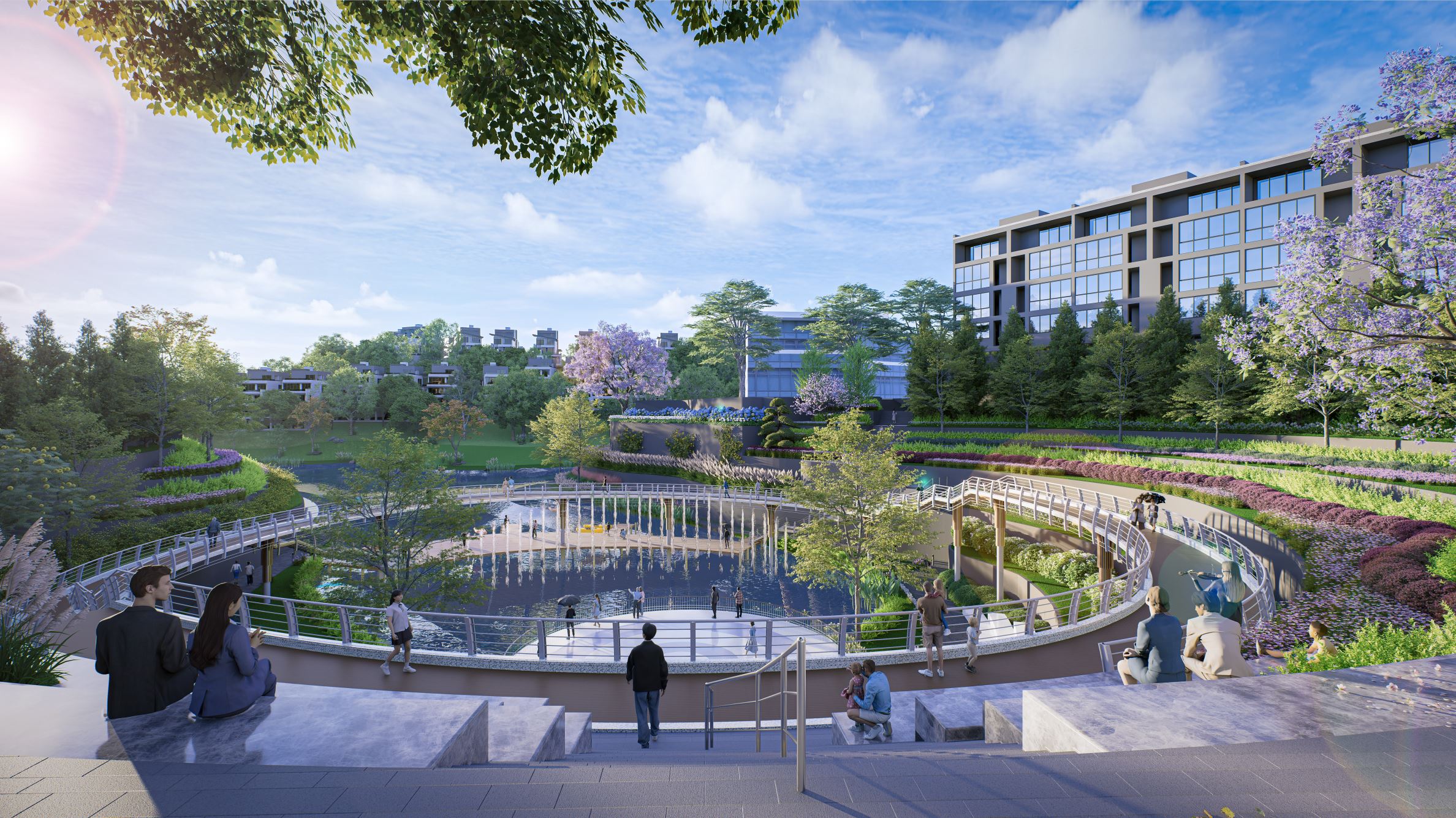
The Evergreen Estate project serves as a concrete implementation of the sustainable development strategy that GP.Invest is pursuing. The project is positioned to become one of the pioneering urban areas in Vietnam targeting the LEED for Communities certification.
Unlike LEED at the individual building level, LEED for Communities evaluates the entire urban area as a unified, complete entity. This requires elements such as energy, transportation, landscaping, ecology, and quality of life to be meticulously researched and synchronized right from the initial planning stage.
To actualize this orientation, GP.Invest has proactively collaborated with domestic and international consulting firms, conducting in-depth research on microclimates, topography, and the environment from the very first steps of project implementation. Simultaneously, the entire process of design, material selection, construction, and operation is strictly controlled according to sustainable development standards.
As real estate market standards continue to elevate, the advantage will naturally belong to enterprises with a long-term vision that proactively standardize their development strategies. By committing to applying LEED standards across its entire future project portfolio, GP.Invest continues to affirm its determination to pursue the philosophy of developing “real value” real estate, aiming to create sustainable living spaces for the communities of today and for generations to come.